 Our.IN – The Voice of India’s Domain Industry Connecting India's domain community with trusted news and insights.

Most names are chosen for launch.
Very few are chosen for legacy.
This difference is subtle early on and painfully obvious later. Many founders do not realise they have chosen a launch name until they start feeling resistance from their own brand. By then, the name is everywhere and changing it feels risky.
Serious founders understand that names serve different roles at different stages. What works to get something live does not always work to carry a company forward for years.
Understanding this distinction early prevents one of the most expensive naming mistakes founders make.
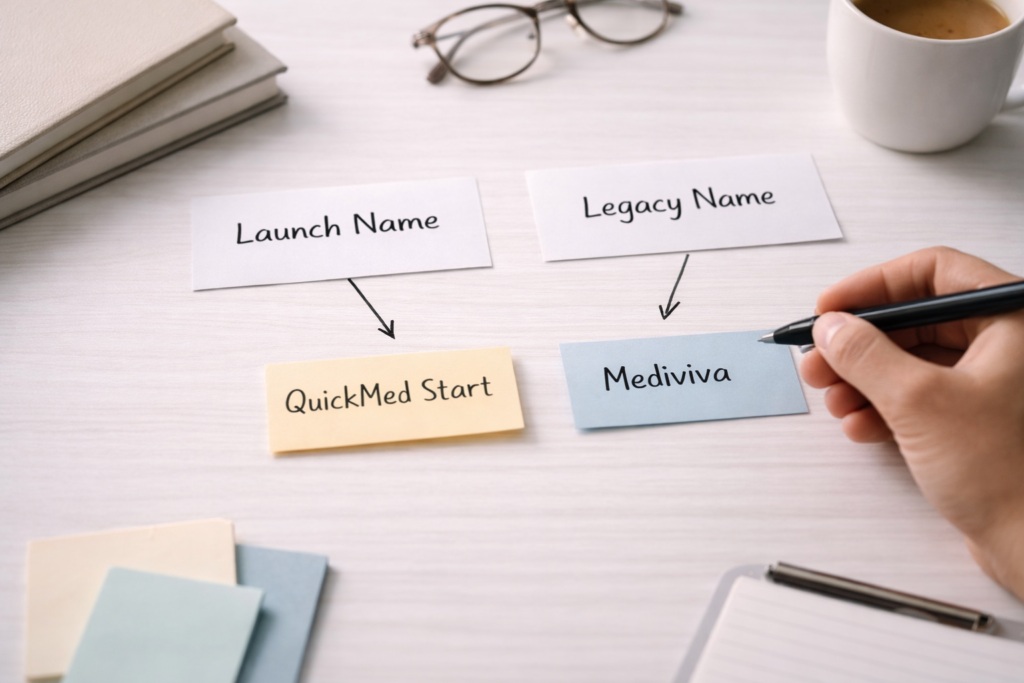
What a Launch Name Optimises For
A launch name is designed for speed.
It is chosen to help a company get off the ground quickly. It often explains what the product does, feels familiar, and is easy to approve internally.
Launch names usually optimise for:
- Immediate clarity
- Fast availability
- Ease of explanation
- Low resistance
These names feel productive because they remove blockers. Teams can move forward. Domains can be registered. Slides can be prepared. Progress feels visible.
The problem is not that launch names are wrong. The problem is that many founders expect them to scale forever.
Why Launch Names Struggle to Age Well
A name that is useful at launch often carries assumptions.
It assumes the product will not change much.
It assumes the audience will remain similar.
It assumes the market scope will stay narrow.
As the company evolves, those assumptions break.
The name starts to feel too literal or too small. It begins requiring explanation. Founders find themselves justifying the name rather than letting it work quietly.
This is where many teams realise they chose convenience over intent.
This pattern is closely tied to why availability is the weakest reason to choose a name. Names chosen because they were easy to secure often struggle once ambition grows.
What a Legacy Name Is Designed To Do
A legacy name is designed to last.
It does not rush to explain. It leaves room. It allows the business to grow into it rather than outgrow it.
Legacy names optimise for:
- Longevity
- Trust accumulation
- Flexibility
- Credibility across contexts
These names often feel less obvious at the beginning. That is intentional.
They are built to absorb meaning over time rather than define it on day one.
This is why serious founders think differently about naming from the start. If you have not read it yet, how serious founders think about naming explains this mindset in depth.
The Emotional Difference Founders Feel Over Time
One way to spot the difference between a launch name and a legacy name is emotional.
With a launch name, founders feel relief.
With a legacy name, founders feel confidence.
Relief comes from removing friction. Confidence comes from alignment.
Over time, relief fades. Confidence compounds.
Founders with legacy names stop thinking about their name entirely. Founders with launch names keep revisiting the decision internally.
Why Most Renames Happen Between These Two Phases
Renames rarely happen because a company wants something new.
They happen because the old name no longer fits.
The business has matured. Customers have changed. The market has expanded. The original name feels out of place.
This transition usually marks the moment when a launch name fails to serve a legacy role.
Renaming at this stage is not evolution. It is correction.
That is why experienced founders treat naming as infrastructure rather than a launch task.
Choosing With the End in Mind
The safest naming decisions are made backwards.
Not from what is easy today, but from where the company wants to arrive.
Legacy names do not need to be perfect. They need to be durable.
They should survive:
- Product changes
- Market expansion
- Leadership evolution
- Scale
Launch names rarely pass all these tests. Legacy names are designed with them in mind.
Final Thought
A launch name helps you start.
A legacy name helps you last.
Most founders only realise the difference after the cost of changing becomes real.
Serious founders recognise it early and choose accordingly.
If you treat naming as a short term task, you will revisit it later.
If you treat naming as a long term decision, it disappears into the background and lets the company grow.
That difference defines whether a name supports momentum or quietly resists it.
Continue the Naming Strategy Series
This article builds on how serious founders think about naming and why availability is the weakest reason to choose a name on Our.in.
Together, these pieces form a practical framework for founders who want naming decisions to compound trust rather than create future drag.
When you are ready to explore real naming options with long term intent, seeing what credible domains exist often changes how choices are evaluated. Browsing without pressure helps founders think beyond convenience and closer to legacy.
